Many grandparents step up to help raise their grandchildren, and that includes making sure they have enough to eat. If you’re in this situation, you might be wondering, “Can I Get Food Stamps For My Grandchildren?” The answer isn’t always a simple yes or no. It depends on a few things, like your state’s rules and your financial situation. Let’s break down what you need to know.
Who Qualifies As a Household?
To get food stamps (officially called SNAP, or Supplemental Nutrition Assistance Program), your grandchildren usually need to be considered part of your “household.” This means they live with you and you’re responsible for providing them with food. But, the definition of “household” can be a little tricky. It’s not always based just on blood relation. Different states may have different definitions.
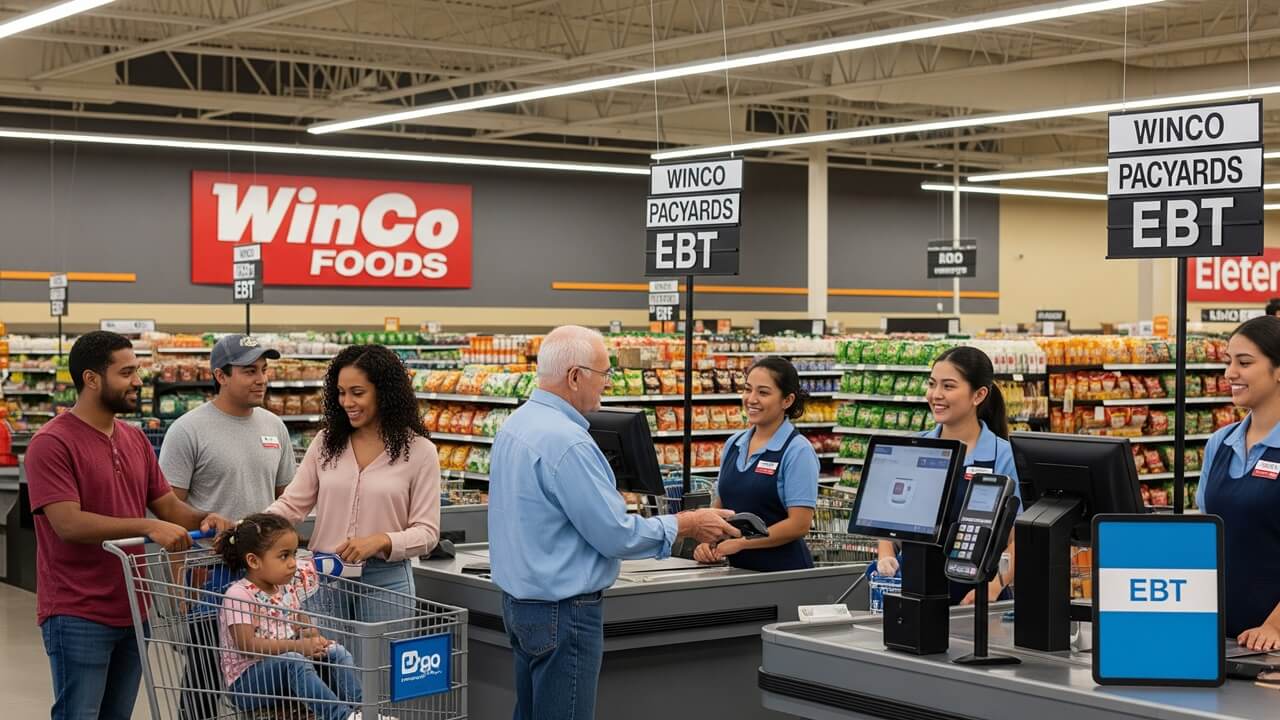
When applying for SNAP, you and your grandchildren need to have established residency in the same location. However, your children may live with you and may be eligible to be included in your SNAP household. Even if the parents do not live with you, if they are not providing financial support for the children, the children can be considered a part of your household. This is because SNAP benefits are meant to provide food to individuals who need it.
To find out more, consider these factors:
- Do you buy and prepare food together?
- Do you have legal guardianship of your grandchildren?
- Are the grandchildren dependent on you for care and support?
It’s important to contact your local SNAP office to clarify how they determine who counts as part of a household.
Legal Guardianship and Food Stamps
Legal Guardianship
Having legal guardianship of your grandchildren is a big deal when it comes to food stamps. If you are their legal guardian, you’re legally responsible for them. This usually makes it easier to include them in your SNAP application. If you aren’t the legal guardian, you might still qualify, but it could involve more paperwork or verification. The specific requirements depend on where you live, so check with your local SNAP office for the correct process.
Legal guardianship gives you the authority to provide care, make decisions, and manage the child’s needs. If you are the legal guardian, your responsibilities can include making sure your grandchildren are well-fed, clothed, educated, and safe. While the responsibility is great, the eligibility for benefits increases when you have legal guardianship.
In many cases, legal guardianship proves that you’re financially supporting your grandchildren. This support is what helps determine eligibility for food stamps. Depending on the state, you will have to provide documentation to prove you are the legal guardian of your grandchildren. This might include a copy of the legal guardianship document and documentation such as a birth certificate or social security card.
Here’s what legal guardianship usually entails:
- Legal Authority: You have the right to make important decisions for your grandchildren.
- Financial Responsibility: You’re usually responsible for their financial needs.
- Documentation: You’ll need to provide legal documents proving guardianship.
- Eligibility: Legal guardianship often makes it easier to qualify for food stamps.
Income Limits and Eligibility
Income Limits
Food stamps have income limits. This means there’s a maximum amount of money you can earn each month and still qualify for benefits. The income limits are based on the size of your “household.” If your grandchildren live with you and are part of your household for SNAP purposes, their income and your income are usually combined to determine eligibility. The income limits change from year to year and vary by state, so it’s important to get the latest information from your local SNAP office or website.
Income includes things like wages from a job, Social Security benefits, pensions, and any other money you receive regularly. Some types of income, like certain educational grants or loans, may not count. It’s super important to be honest when you apply and report all your income accurately. SNAP benefits are designed to help low-income families buy food, so the government needs to know how much money you have coming in.
If you exceed the income limits, you won’t be eligible for food stamps. There are also asset limits (like the amount of money you have in the bank), but these limits are often less restrictive. However, there is a benefit to having low income. If you need to budget, consider this:
| Income Level | SNAP Eligibility |
|---|---|
| Below Poverty Line | Generally Eligible |
| At or Slightly Above Poverty Line | May Be Eligible |
| Significantly Above Poverty Line | Unlikely to Be Eligible |
To find out if you qualify, you’ll need to provide proof of income and household size when you apply.
Resources for Grandparents Raising Grandchildren
Resources
There are many resources to help grandparents raising grandchildren. Along with food stamps, there may be other programs available to help you financially. For example, some states and communities have programs that provide childcare assistance, housing assistance, or other support services. In some cases, there may also be resources to help with medical care.
Many community organizations and nonprofits offer support groups, workshops, and other services specifically for grandparents raising grandchildren. These groups can provide emotional support, advice, and connections with other families facing similar challenges. They may also know about local programs and resources that can help you.
When considering what resources are available, you have to consider the needs of your grandchildren. The specific needs depend on your circumstances. Consider these:
- Childcare: Access to affordable childcare can help with your work and allow you to rest.
- Healthcare: Help paying for health insurance and medical expenses for your grandchildren.
- Housing: Support for finding and maintaining safe and affordable housing.
- Emotional Support: Therapy or counseling services for you and your grandchildren.
You can contact your local Area Agency on Aging, social services department, or a local non-profit organization to learn more. They can often connect you with resources in your area.
The Application Process
Application Process
The SNAP application process can vary slightly depending on the state, but generally it involves a few steps. You’ll usually need to fill out an application form, provide documentation, and go through an interview. The application form will ask for information about your income, assets, household members, and expenses. You can usually apply online, by mail, or in person at your local SNAP office.
You’ll need to provide documentation to verify the information you provided on your application. This often includes proof of identity, proof of income, proof of residency, and proof of any expenses you have, like rent or utilities. The application also helps determine your income level and how many people live in your household.
After you submit your application, you’ll likely need to go through an interview with a SNAP caseworker. During the interview, the caseworker may ask you questions to verify your information. The caseworker will review your application and documentation. They will then determine if you are eligible for benefits and how much you will receive.
Here are some documents you will likely need:
- Proof of Identity: Driver’s license or other photo ID.
- Proof of Income: Pay stubs, Social Security statements.
- Proof of Residency: Utility bills, lease agreement.
- Proof of Expenses: Rent/mortgage statements, childcare costs.
- Guardianship: Legal documents.
Important Things to Remember
Important Information
Getting food stamps for your grandchildren can make a big difference in their lives and yours. If you are considering applying, here are some important things to remember. First, be honest on your application. Give accurate information about your income, resources, and household size. Providing false information can lead to serious penalties, like losing benefits or even legal trouble.
Be prepared to provide all the documentation the SNAP office requests. This may seem like a lot of paperwork, but it helps the government determine your eligibility. You also need to keep in contact with your SNAP caseworker. If your income changes or the number of people in your household changes, you need to let them know.
SNAP benefits are not a permanent solution. To ensure that your grandchildren get food, it’s important to consider other options to help support the family. Consider how you can save money. By budgeting carefully, you can make the benefits last as long as possible. Remember, food stamps are there to help you, but they are just one piece of the puzzle.
| Be sure to: | Don’t Forget To: |
|---|---|
| Provide honest and accurate information | Report all income changes |
| Keep all your documentation organized | Budget carefully |
By following these tips, you can navigate the SNAP process more smoothly and make sure your grandchildren get the food they need.
Staying Informed and Seeking Help
Help
The rules and regulations surrounding SNAP can be confusing. It’s really important to stay informed. The best way to do this is to regularly check the website for your state’s SNAP program. This is where you’ll find the most up-to-date information on eligibility, income limits, and application procedures. Your local SNAP office can also provide helpful information and answer any questions you have.
Sometimes, you may need additional assistance. Social workers can provide support, especially when raising your grandchildren. They may be able to help you find other resources, such as counseling, parenting classes, or financial assistance. Additionally, consider speaking with a legal aid organization. They can help you understand your rights and responsibilities. The aid that is available may include help applying for benefits.
If you have trouble understanding something or need help with the application process, don’t be afraid to ask for help. There are many people and organizations that can provide assistance. Here are some types of people you can contact for help:
- Your local SNAP office
- Social workers
- Legal aid organizations
- Community service organizations
Remember, you’re not alone, and there are resources available to help you and your grandchildren.
In conclusion, Can I Get Food Stamps For My Grandchildren? The answer depends on your unique situation. Meeting the eligibility requirements, such as residency and income limits, can be a complicated process. By understanding the rules, providing all required documentation, and seeking assistance when needed, you can successfully navigate the SNAP application process. Remember to stay informed, ask questions, and access the resources available to help you provide for your grandchildren.